Core Definition and Working Principle of a Hydraulic Cylinder
A Hydraulic Cylinder is a mechanical powerhouse that transforms hydraulic energy into linear motion, acting like the muscle behind heavy machinery. Whether it’s lifting a forklift’s forks or extending a crane’s arm, the Hydraulic Cylinder is the go-to component for precise, powerful movement. You’ll see these cylinders in action across industries, from construction sites to farms, driving equipment like excavators, tractors, and forklifts. The hydraulic cylinder working principle hinges on pressurized hydraulic fluid moving a piston within a sealed cylinder, generating force to perform tasks.

The cylinder in hydraulic system operates based on Pascal’s principle, which states that pressure in a confined fluid is transmitted equally in all directions. This allows a Hydraulic Cylinder to produce significant force with relatively small input. The force (\( F \)) generated is calculated as:
Here, P is the fluid pressure (in Pascals), and A is the piston’s cross-sectional area (in square meters). For example, a Single Acting Cylinder uses fluid pressure to extend the piston, with a spring or external load retracting it, as seen in single acting cylinder working. A Double Acting Cylinder, however, applies pressure to both sides of the piston, enabling force in both directions, a hallmark of double acting hydraulic cylinder working.
Consider a Lift Cylinder in a forklift: hydraulic fluid pushes the piston to raise the forks, and in a Double Acting Cylinder setup, fluid on the opposite side lowers them smoothly. The hydraulic ram working principle ensures controlled motion, critical for safety in Mobile Machinery Hydraulic Cylinders. Another example is a Steering Cylinder in a tractor, where precise fluid control ensures accurate turning, showcasing the versatility of hydraulic cylinder working in agricultural hydraulic cylinders.
Core Structure and Components of a Hydraulic Cylinder

| 1 | Cylinder Housing assy |
| 2 | U-Ring |
| 3 | Back-Ring |
| 4 | Dust Wiper |
| 5 | Piston Rod |
| 6 | Steel Ball |
| 7 | Du Bush |
| 8 | O-Ring |
A Hydraulic Cylinder isn’t just a steel tube—it’s a sophisticated assembly of components designed for durability and precision. Understanding its structure is key to appreciating why cylinders like the Tilt Cylinder or Boom Cylinder perform so reliably in Industrial Cylinders. Here’s a detailed look at the core components:
| Component | Function | Material/Example |
|---|---|---|
| Cylinder Barrel | Houses the piston and fluid, withstands pressure. | High-strength steel (e.g., in Construction Cylinders). |
| Piston | Divides cylinder into chambers, generates force. | Steel or aluminum (e.g., in Lift Cylinder). |
| Piston Rod | Transfers force to the load. | Chromed steel (e.g., in Steering Hydraulic Cylinder). |
| Seals | Prevent fluid leaks, ensure efficiency. | NOK, Parker seals (e.g., in Telescopic Cylinder). |
| Hydraulic Ports | Allow fluid entry/exit for piston movement. | Integrated into barrel (e.g., in Double Acting Cylinder). |
In a Telescopic Cylinder, the structure includes multiple nested stages for extended reach, as seen in the working of telescopic cylinder. For example, a Boom Cylinder on a crane uses a robust piston rod to handle heavy loads, while a Cab Tilt Cylinder relies on high-quality seals to prevent leaks during maintenance tilts. These components ensure reliability in single acting double acting cylinder setups, whether in Energy Technology Hydraulic Cylinders or Industrial Cylinders. Regular maintenance, like Rebuilding Trim Tilt Cylinders, keeps these parts in top condition, extending service life.
Types of Hydraulic Cylinders and Their Applications
The types of cylinders in hydraulics are diverse, each tailored for specific tasks. From Single Acting Cylinder to Telescopic Cylinder, understanding different types of hydraulic cylinders helps match them to applications in Mobile Machinery Hydraulic Cylinders, Construction Cylinders, and beyond. Below is a comparative table of key hydraulic cylinder types:
| Type | Mechanism | Key Features | Applications |
|---|---|---|---|
| Single Acting Cylinder | Fluid pressure extends; spring/gravity retracts. | Simple, cost-effective. | Leveling Cylinder in agricultural hydraulic cylinders. |
| Double Acting Cylinder | Fluid pressure extends and retracts. | Precise control, versatile. | Steering Cylinder, Forklift Cylinders. |
| Telescopic Cylinder | Multi-stage extension for long reach. | Compact when retracted. | Dump Truck Hydraulic Cylinder, crane cylinder. |
| Tilt Cylinder | Adjusts angles for load positioning. | High precision. | Cylinder Tilt in forklifts, Cab Tilt Cylinder. |
| Boom Cylinder | Extends crane or excavator arms. | High force output. | Construction Cylinders, excavator cylinder. |
Single and Double Acting Cylinders
A Single Acting Cylinder is ideal for simple tasks, using fluid to extend the piston and a spring for retraction, as seen in single acting cylinder working for Leveling Cylinder applications. A Double Acting Cylinder offers more control, using fluid on both sides, perfect for Power Steering Cylinder or Steering Hydraulic Cylinder tasks. These single and double acting cylinders are staples in Forklift Cylinders, ensuring precise tilting and lifting.
Telescopic Hydraulic Cylinder
The Telescopic Cylinder extends in stages, making it ideal for applications needing long strokes, like Dump Truck Hydraulic Cylinder or crane cylinder. Telescopic hydraulic cylinder repair can be intricate due to its design, but telescopic hydraulic cylinder manufacturers prioritize durability for Construction Cylinders. The working of telescopic cylinder is critical for heavy-duty tasks requiring compact storage.

Specialized Cylinders
Cylinders like Lift Cylinder, Tilt Cylinder, and Boom Cylinder serve niche roles. A Lift Cylinder raises loads in forklifts, while a Tilt Cylinder adjusts fork angles for Cylinder Tilt functions. A Boom Cylinder extends crane arms, and a Leveling Cylinder stabilizes equipment, common in agricultural hydraulic cylinders like tractor cylinder systems or Energy Technology Hydraulic Cylinders for Offshore Hydraulic Cylinders.
Industry Application Case Studies
Hydraulic Cylinders power a wide range of industries, showcasing their versatility in different types of hydraulic cylinders. Here are detailed case studies:
- Construction: An excavator cylinder in a 20-ton excavator uses a Double Acting Cylinder to dig foundations. The hydraulic cylinder type delivers high force, with Rebuilding Trim Tilt Cylinders ensuring longevity in Construction Cylinders. This setup handles tough soils, boosting productivity.
- Agriculture: Farm hydraulic cylinders in a tractor cylinder power plows for planting. A Single Acting Cylinder lifts implements, demonstrating single acting cylinder working in agricultural hydraulic cylinders. This reliability supports large-scale farming.
- Warehousing: Forklift Cylinders, including Tilt Cylinder and Lift Cylinder, streamline pallet handling. The Steering Cylinder Price reflects its precision in tight spaces, enhancing forklift hydraulic system efficiency for Mobile Machinery Hydraulic Cylinders.
- Energy: Offshore Hydraulic Cylinders in tidal energy platforms use Telescopic Cylinders for extended reach. Robust seals withstand harsh marine environments, showcasing Energy Technology Hydraulic Cylinders’ durability in extreme conditions.
- Manufacturing: Industrial Cylinders in assembly lines use Double Acting Cylinders for precise part positioning. The cylinder in hydraulic system ensures consistent performance, reducing downtime in high-volume production.

These examples highlight the hydraulic ram working across industries, from agricultural hydraulic cylinders to Industrial Cylinders, proving their indispensable role.
Key Selection Parameters for Hydraulic Cylinders
Selecting the right Hydraulic Cylinder requires careful consideration of parameters to match equipment needs. Measuring hydraulic cylinders accurately ensures optimal performance. Here’s a detailed guide:
| Parameter | Description | Example Application |
|---|---|---|
| Bore Size | Inner diameter, determines force output. | 150 mm for Boom Cylinder in cranes. |
| Stroke Length | Distance of piston travel. | 1,000 mm for Telescopic Cylinder in dump trucks. |
| Pressure Rating | Maximum fluid pressure capacity. | 300 bar for Construction Cylinders. |
| Mounting Style | Attachment method to equipment. | Pivot mount for Steering Hydraulic Cylinder. |
| Rod Diameter | Affects strength and stability. | 50 mm for Lift Cylinder in forklifts. |
For a Telescopic Cylinder, stroke length is critical due to its multi-stage design, while a Double Acting Cylinder needs precise pressure ratings for double acting hydraulic cylinder working. A Steering Hydraulic Cylinder requires a smaller bore for quick response, whereas a Dump Truck Hydraulic Cylinder demands a larger bore for heavy loads. These parameters ensure the hydraulic cylinder type aligns with applications like agricultural hydraulic cylinders or Industrial Cylinders.
The power output of a Hydraulic Cylinder can be further analyzed using the power equation:
Where P is power (Watts), F is force (Newtons), v is piston velocity (m/s), and η is efficiency (typically 0.8-0.9). This is crucial for Mobile Machinery Hydraulic Cylinders, ensuring efficient operation.
Technical Trends and Innovations in Hydraulic Cylinders
The Hydraulic Cylinder industry is advancing rapidly, with innovations enhancing performance and sustainability. Here are key trends shaping Construction Cylinders, Energy Technology Hydraulic Cylinders, and beyond:
- Smart Cylinders: Integrated sensors in Industrial Cylinders monitor pressure, temperature, and position, enabling predictive maintenance. This is transformative for Forklift Cylinders, reducing downtime in warehousing.
- Lightweight Materials: Aluminum and composite materials in Mobile Machinery Hydraulic Cylinders reduce weight, improving fuel efficiency in tractor cylinder or Steering Cylinder applications.
- Eco-Friendly Fluids: Biodegradable fluids in agricultural hydraulic cylinders minimize environmental impact, aligning with green farming practices in farm hydraulic cylinders.
- Advanced Seals: Enhanced seals in Telescopic Cylinders improve durability, reducing telescopic hydraulic cylinder repair needs, especially in Offshore Hydraulic Cylinders exposed to harsh conditions.
- Modular Designs: Modular Hydraulic Cylinders allow easy customization, benefiting Construction Cylinders like excavator cylinder or crane cylinder, where adaptability is key.
These trends make hydraulic cylinder working more efficient and sustainable, with smart technology driving the future of types of cylinders in hydraulics. For example, a smart Tilt Cylinder can alert operators to potential seal wear, preventing failures in Cylinder Tilt functions.
About Our Company
We are a global leader in Hydraulic Cylinder manufacturing, committed to excellence with our motto “Quality First, Prestige Supreme.” Certified under ISO9001, ISO4001, and ISO45003, we produce high-precision Single Acting Cylinder, Double Acting Cylinder, Telescopic Cylinder, and more, using advanced technology and robust supply chains. With a production capacity of 1,200,000 pieces annually, we export 80% of our products to markets like the USA, Germany, Japan, and the Middle East, ensuring fast delivery for Mobile Machinery Hydraulic Cylinders and Industrial Cylinders.
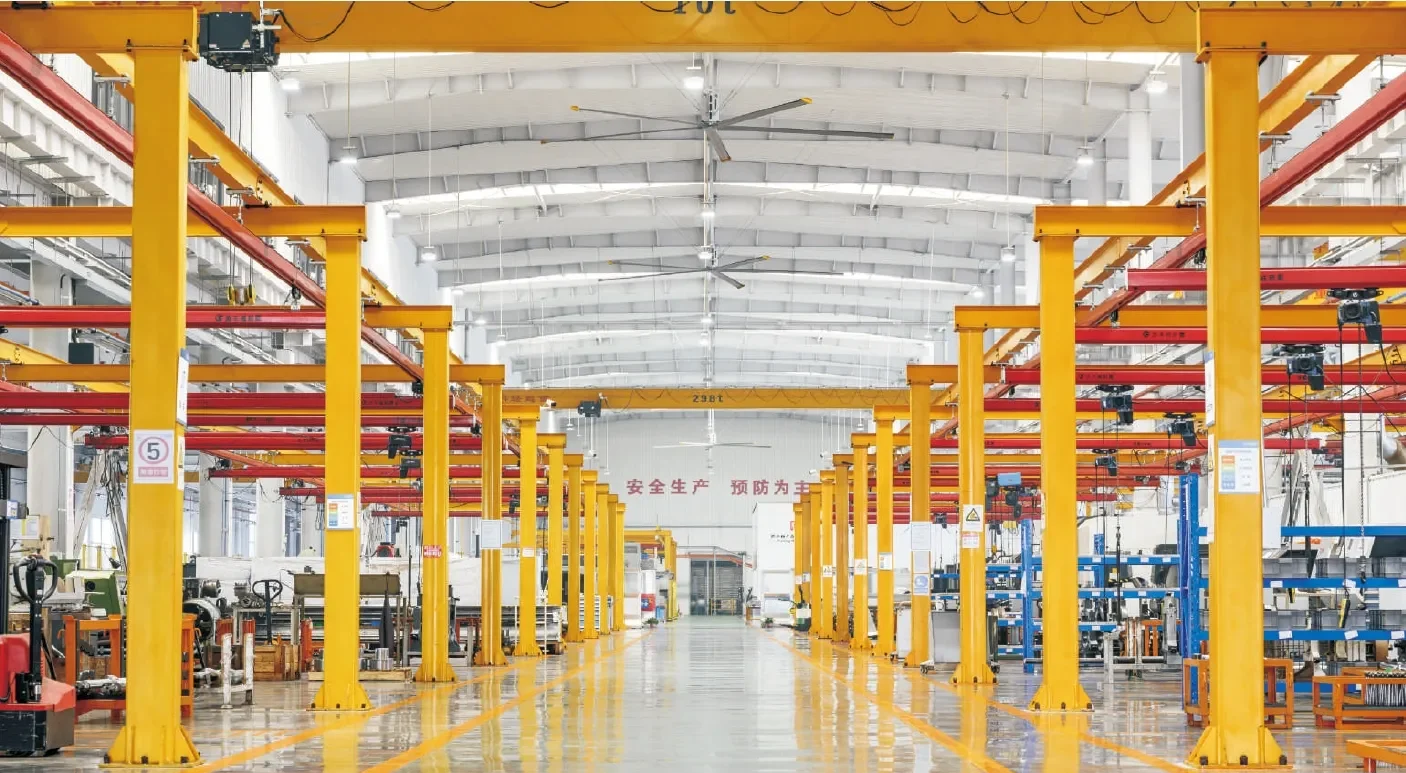
Our extensive product range includes Construction Cylinders (e.g., excavator cylinder, crane cylinder), agricultural hydraulic cylinders (e.g., tractor cylinder), Energy Technology Hydraulic Cylinders (e.g., Offshore Hydraulic Cylinders), and Forklift Cylinders (e.g., Lift Cylinder, Tilt Cylinder). We also offer Steering Hydraulic Cylinder, Boom Cylinder, and Leveling Cylinder solutions, tailored for diverse applications. Our 24/7 customer support and expertise in single and double acting cylinders make us a trusted partner for hydraulic cylinder type needs worldwide.